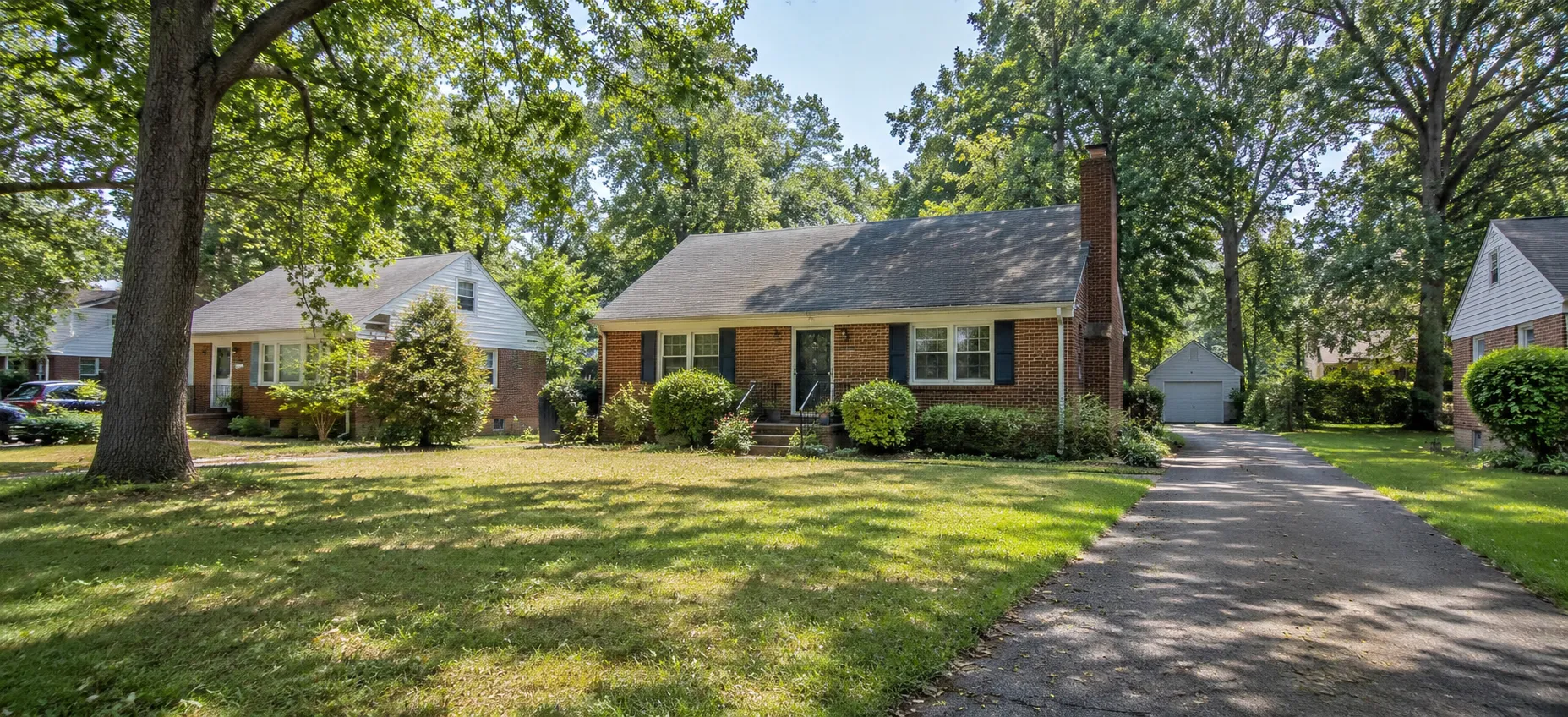
Selling an Inherited House Starts With Knowing Who Can Sign
An inherited home can be ready for a buyer before the estate is ready to close. The first question is not how quickly the house can sell. It is who currently has legal authority to sign a purchase agreement and deed. That can depend on how the property was titled, the terms of a will or trust, whether there was a survivorship interest, and whether a personal representative needs to qualify through probate.
Virginia real estate can pass through a will or through intestate succession when there is no controlling estate plan. A direct cash offer does not replace those estate steps or create authority that does not already exist. Before treating any closing date as final, the person handling the property should confirm the title and estate documents with the appropriate clerk, title company, or estate attorney.
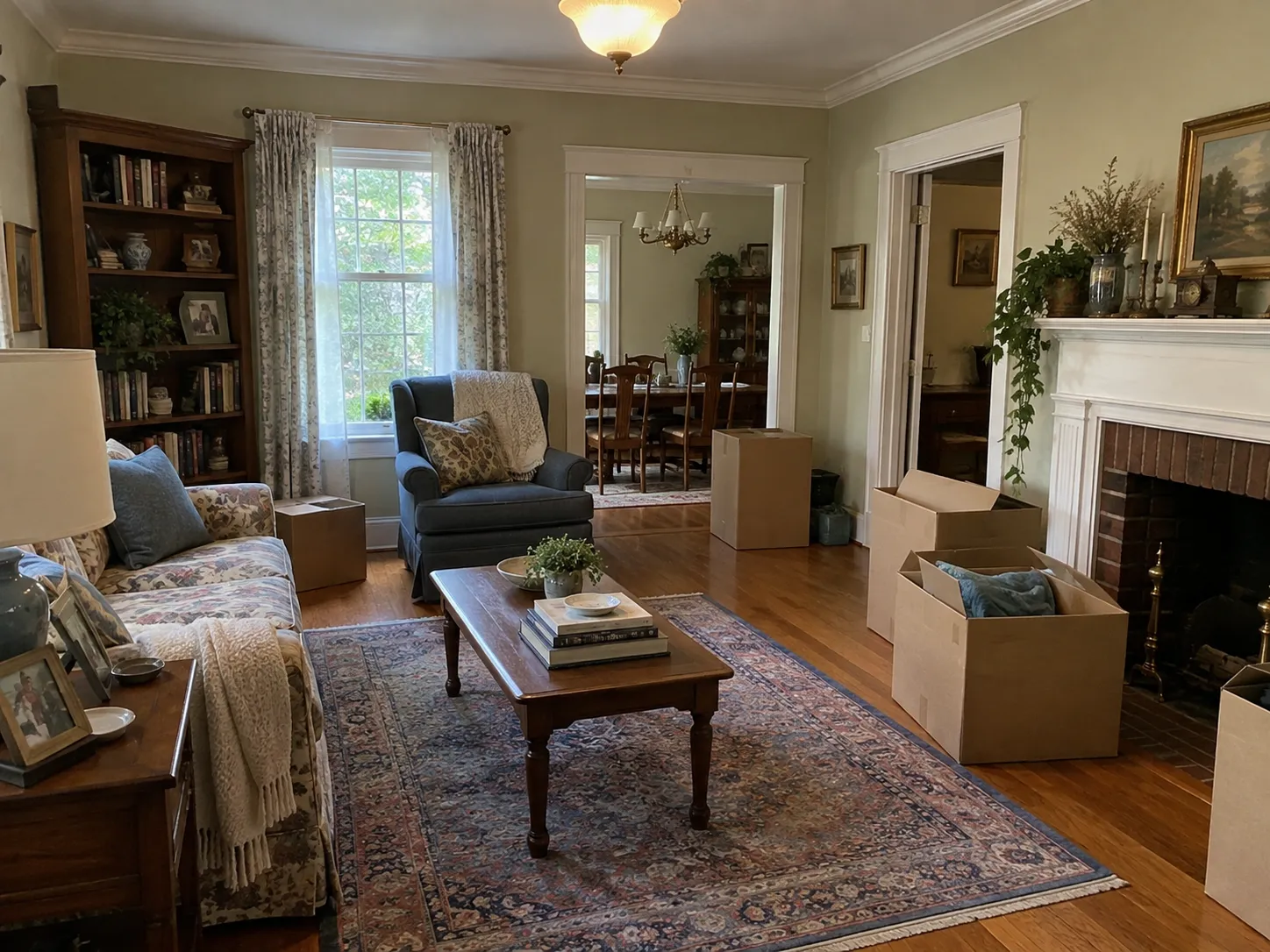
Start With the Estate and Title Documents
A copy of the deed can help show how the property was owned before death. The will, trust documents, death certificate, and any qualification paperwork can help the title company determine who must participate in the sale. A mortgage statement, tax bill, or lien notice may also become relevant when the title work begins.
If the decedent was a City of Richmond resident, probate appointments are generally handled through the Richmond Circuit Court Clerk. Virginia probate jurisdiction normally follows the decedent’s last place of residence, so the correct court may be outside Richmond even when the inherited property itself is located here.
What to Confirm Before You Accept an Offer
Authority to Sell
Confirm whether the signer is an heir, devisee, trustee, executor, administrator, surviving owner, or another person with authority. The correct signer comes from the actual title and estate documents, not simply from who is coordinating the house.
People Who Must Participate
Beneficiaries and required signers are not always the same group. Multiple owners, estate representatives, or trustees may need to approve or sign documents. Resolving that early can prevent a contract from reaching title review with a missing party.
Property Condition
Decide what work, if any, makes sense before selling. An inherited house may have deferred maintenance, old systems, accumulated belongings, or cosmetic issues. Those conditions affect the comparison between listing and selling directly.
Payoffs and Net Proceeds
Mortgage balances, recorded liens, property taxes, and authorized closing charges can affect what remains from the sale. A title company can identify required payoffs and show how the closing statement is expected to distribute the proceeds.
How Virginia Probate Can Affect an Inherited Home Sale
Probate and the sale of the house are connected, but they are not the same transaction. The court or clerk process can establish a personal representative and address estate administration. The real estate closing still requires marketable title, the correct seller signatures, and any required payoffs or approvals.
Virginia law gives an executor authority to sell real estate in some wills that direct a sale without naming another person to make it. Other estates may involve property that passed directly to devisees or heirs, property held with survivorship rights, or other arrangements. Because the result depends on the deed and estate documents, the buyer should not be the person deciding who has authority.
Virginia also has specific rules about estate debts and real estate, including rules that can matter when heirs or devisees sell within one year of death. An estate attorney and the closing title company can determine whether those provisions affect a particular property. Our role is to evaluate the house and make an offer, not to provide probate or legal advice.
For a closer look at the local estate-sale side of the process, see our Richmond probate real estate guide.
Mortgage, Liens, Taxes, and Carrying Costs Do Not Disappear
Mortgage and Recorded Liens
An inherited property may pass subject to an existing mortgage or other lien. A sale can still be possible when the title company can obtain the needed payoff information and the transaction produces enough funds, or another approved arrangement resolves the obligation.
Ongoing Property Expenses
Insurance, utilities, taxes, association charges, lawn care, and basic maintenance may continue while the estate owns the property or while heirs decide what to do. Comparing those ongoing costs with the expected sale proceeds can make the timing decision more concrete.
Closing Statement and Proceeds
The contract price is not the same as the final amount distributed after closing. Required payoffs and authorized charges appear on the closing statement. If several people or an estate are entitled to proceeds, the title and estate documents determine how funds can be disbursed.
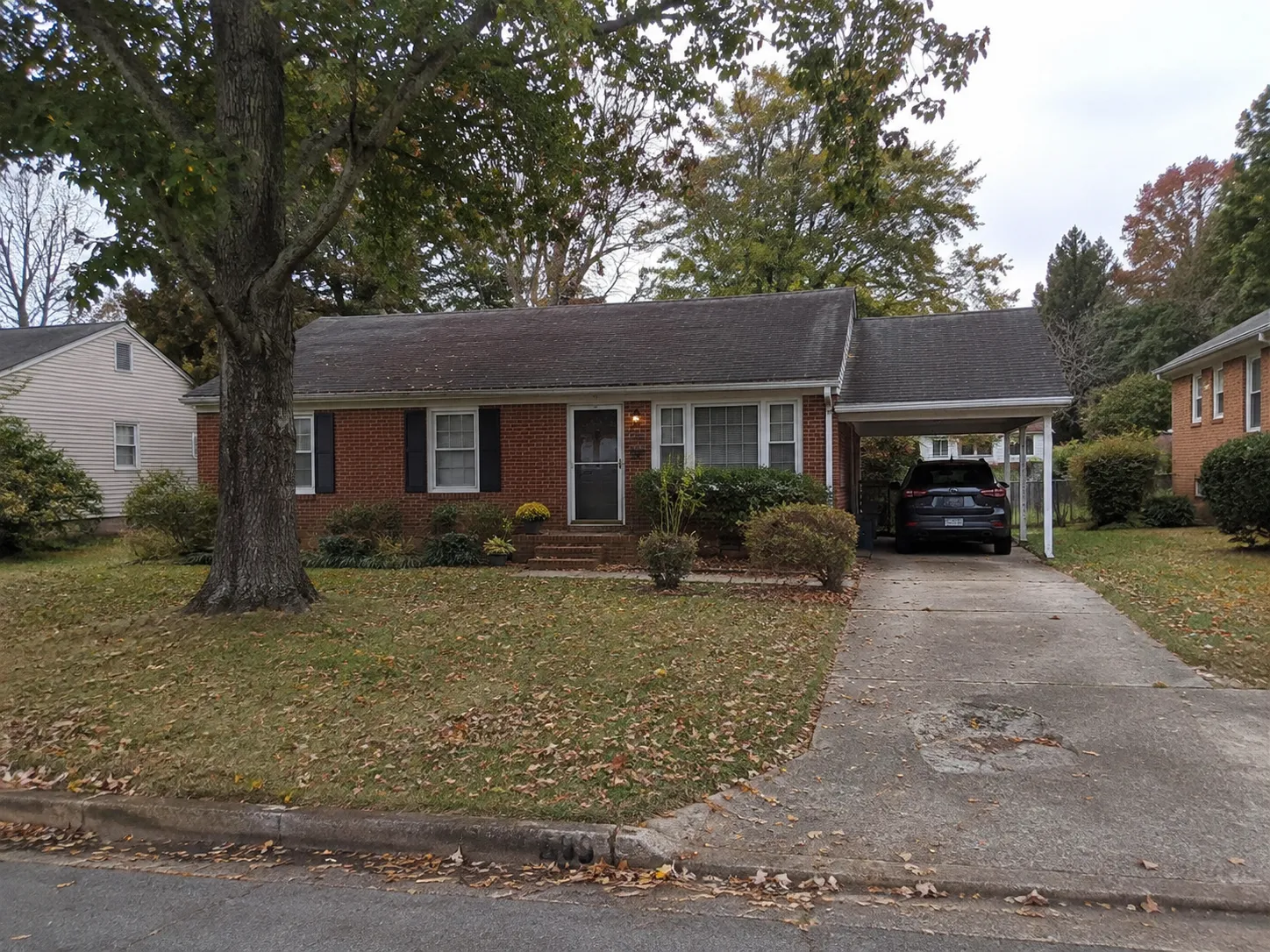
You Do Not Have to Renovate or Empty the House Before Asking for an Offer
Repairs and cleanout are business decisions, not automatic requirements for every inherited property. A house with an older roof, dated interior, deferred maintenance, leftover furniture, or a full garage may cost more to prepare than the family wants to invest before a sale.
We buy houses in their current condition, so you can ask us to evaluate the property before making repairs. You can also remove sentimental belongings first and discuss what may remain at the house as part of the purchase agreement. This lets you compare an as-is offer with the estimated cost and work of preparing the property for a traditional listing.
See more about selling an inherited house in Richmond if the property itself is in the city.
Selling With Siblings, Other Heirs, or an Out-of-Area Family
Separate Family Decisions From Signing Authority
Several relatives may have an interest in what happens to the house, but the legal signers still come from the deed and estate documents. Before negotiating repairs, price, or a preferred closing date, identify who can actually approve the sale and who needs information to make a family decision.
A written cash offer can give the family a specific price and set of terms to compare. It does not resolve disagreements among heirs or override a will, court requirement, trust, or ownership interest.
Plan for Access and Documents
Out-of-area ownership often makes practical tasks more important. Someone may need to provide access for a property visit, locate estate paperwork, coordinate utility service, or arrange the removal of items the family wants to keep. Those tasks can happen without renovating the home for our direct purchase process.
If the required sellers live in different places, the title company can explain its signing and identity-verification procedures for the closing. Those requirements should be confirmed for the actual transaction rather than assumed in advance.
Direct Cash Sale or Traditional Listing: Compare the Tradeoffs
Selling Directly to Joe Homebuyer Greater Richmond
A direct sale can be useful when the property needs repairs, the family does not want public showings, belongings still need to be sorted, or a financed buyer would add another approval step. We can buy the house as-is and make a no-obligation cash offer after reviewing the property.
Our purchase is not dependent on a buyer obtaining a mortgage. We coordinate the closing through a title company and can work with the seller’s preferred timing once the title, estate documents, and any required approvals are ready.
Listing the Inherited Home
A traditional listing may make sense when the home is market-ready, the family is comfortable preparing it for showings, and broader market exposure is worth the extra work and uncertainty. The seller should compare likely sale price, agent compensation, repairs, concessions, carrying costs, and the risk of a financed buyer changing course.
The useful comparison is the expected net result and the conditions attached to each option, not just the highest headline price. Asking a local agent for a listing analysis and asking us for an as-is offer can provide two concrete paths to compare.
Understand Tax Basis Before Estimating What You Keep
Federal tax rules generally give inherited property a basis tied to its fair market value at the date of death, or an alternate valuation when one is properly used. The eventual taxable gain or loss depends on the property’s adjusted basis, the amount realized from the sale, and other tax facts. The purchase price by itself does not tell you the tax result.
Keep records that support the inherited value and any later adjustments. An appraisal, estate tax valuation, closing statements, and records of qualifying improvements may become useful. A CPA, enrolled agent, or other qualified tax professional can apply the rules to the estate and the people receiving the proceeds.
How Our Direct Purchase Process Fits an Inherited Property
1. Tell Us About the House
Share the property address, its condition, and what you know about the estate or ownership situation. You do not need to repair or clean out the house before contacting us.
2. We Review the Property
We look at the home and the information available so we can evaluate an as-is purchase. Estate and title questions can be identified for the appropriate professionals rather than guessed at.
3. Review the Cash Offer
We provide a no-obligation offer you can compare with keeping the property or listing it. The family can review the price, terms, and responsibilities before deciding whether to accept.
4. Coordinate Title and Closing
If you accept, the title company confirms ownership, required signatures, payoffs, and closing documents. The closing schedule depends on the property and the estate or title work that must be completed.
You can also review how our direct purchase process works and our cash home buyer FAQs.
Compare the Property, Paperwork, and Offer Before You Decide
Inherited-house decisions are easier to compare when you have actual numbers and know what still has to happen before title can transfer. Joe Homebuyer Greater Richmond can evaluate the home in its current condition and provide a cash offer without requiring repairs or public showings.
Call 804-531-5274 or request a property review online. If the estate still needs probate, title, tax, or legal work, those matters remain with the appropriate professionals while we focus on the purchase itself.
